
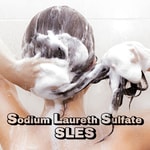
See it in action
Sodium Laureth Sulfate – SLES
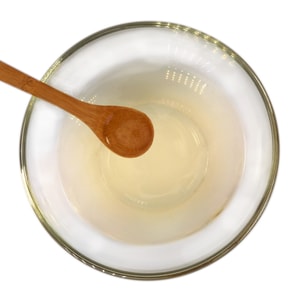
Sodium Laureth Sulfate (SLES) is a surfactant commonly used in shampoos, bath gels and soaps. SLES is derived from coconuts and is milder than Sodium Lauryl Sulfate (SLS).
Technical
This carries a Skin Irritation Category 2, Serious Eye Irritation Category 2A, and Acute Aquatic Toxicity Category 2 classification (H315, H319, H401). Wear protective gloves, clothing, eye protection, and face protection when handling, and avoid release into the environment.
Product Profile
Physical characteristics and solubility
Liquid
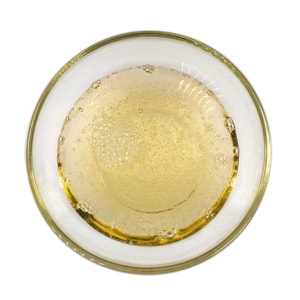
Clear to Hazy
Yellowish
Slight
Soluble
6.5 – 7.5
1.04
3,000 cPs
Ingredients
Common and INCI names for your product label
Sodium Laureth Sulfate
SLES, Sodium Lauryl Ether Sulfate
Supplied as a 27–30% active solution in water (with <1% Sodium Sulfate) — no preservative system to declare. Milder than Sodium Lauryl Sulfate (SLS) due to its ethoxylated structure.
Storage & Shelf Life
How to keep this surfactant stable batch to batch
Airtight container, room temperature
1 Year
Keep Containers Closed
Keep containers tightly closed in a cool, dry, well-ventilated place. Once opened, reseal carefully and keep containers upright to prevent leakage.
Store Away From Incompatible Materials
Keep away from strong oxidizing agents.
Use Clean Tools
When measuring or transferring product, use clean utensils to prevent cross-contamination. Avoid reaching in with bare hands.
Test Before Scaling
Run a small batch first to confirm foam and cleansing performance in your specific formulation before committing to a full production run.
Quality & Compliance
Regulatory status at a glance
Skin Irritation 2, Eye Irritation 2A, Aquatic Toxicity 2
Health 2, Flammability/Fire 1, Physical/Reactivity 0
Acute Health Hazard
>100°C / 212°F
No component present at levels >0.1% is identified as carcinogenic by IARC, NTP, ACGIH, or OSHA. Readily biodegradable and not expected to bioaccumulate.
WARNING: This product can expose you to Ethylene Oxide and 1,4-Dioxane, chemicals known to the State of California to cause cancer and, in the case of Ethylene Oxide, birth defects or other reproductive harm. As with other ethoxylated ingredients, these are trace processing byproducts rather than intentionally added ingredients. For more information, visit www.P65Warnings.ca.gov.
Disclaimer: The technical specifications above reflect standard production values and may vary slightly between batches. Always conduct your own small-batch testing and stability studies before scaling up to production.
Documents
-

Hello,
I am interested in purchasing a gallon of Sodium Laureth Sulfate. The description says it is a “70% liquid solution”. Does this mean that the concentration of SLES is 30%?
Thanks,
Matt-
Hi Matt, yes, that is correct, the solution is between 27 – 30% SLES, the rest being water. Its original form is a paste, and the manufacturer dilutes it for us, as that makes it easier to incorporate into formulas. Thank you
-








Rating & Review
There are no reviews yet.