

See it in action
Phytantriol
Phytantriol is an alcohol used in beauty products and cosmetics as an anti-caking agent, hair conditioning agent, skin-conditioning agent and humectant. It is primarily in hair care products because of its ability to reduce breakage.
Technical
Product Profile
Physical characteristics and solubility
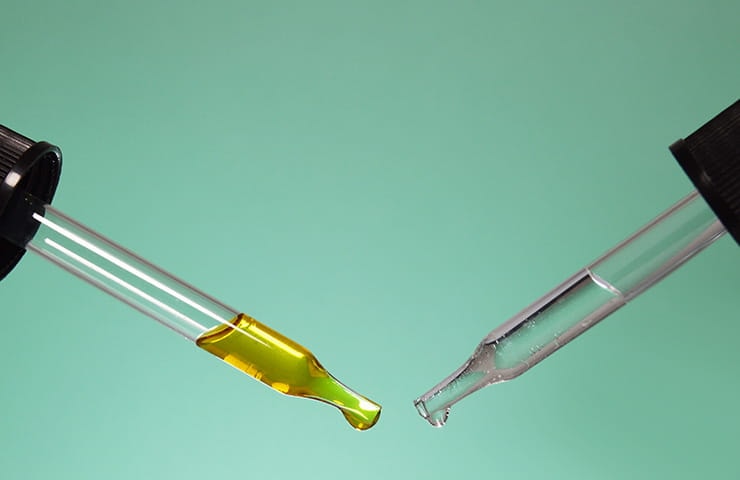
Viscous Liquid
Clear
Colorless to Light Yellow
0.352 mg/L @ 20°C (practically insoluble)
Yes (ethanol, oils/fats, propylene glycol)
-6°C (21°F)
0.932 g/cm³ @ 20°C
Ingredients
Common and INCI names for your product label
Phytantriol
Phytantriol
This is a single-ingredient raw material (90–100% Phytantriol per the SDS) — no preservative system to declare. The copy button copies the INCI declaration.
Storage & Shelf Life
How to keep this conditioning agent stable batch to batch
Airtight container, 15 – 25°C (59 – 77°F)
1 Year
Keep It Sealed and Dry
Keep the container tightly closed and dry, within 15–25°C (59–77°F).
Handle With Gloves and Eye Protection
Avoid contact with skin and eyes. Wear gloves and safety glasses when handling in concentrate.
Use Clean Tools
When measuring or transferring product, use clean utensils to prevent cross-contamination. Avoid reaching in with bare hands.
Test Before Scaling
Effective at levels as low as 0.1% — run a small batch first to confirm conditioning performance and stability before committing to a full production run.
Quality & Compliance
Regulatory status at a glance
Warning — skin/eye, sensitizer, aquatic
Hazardous — labeling applies
204°C (non-flammable in normal use)
No indication known
Sensitization results were mixed: positive in a guinea pig Maximisation test, but no reaction in a 24-hour human patch test at 3%. Not mutagenic, not genotoxic, no indication of reproductive or developmental toxicity. Not readily biodegradable (60–70% in 28 days) with a high calculated bioaccumulation factor, though it doesn't meet formal PBT/vPvB criteria.
Disclaimer: The technical specifications above reflect standard production values and may vary slightly between batches. Always conduct your own small-batch testing and stability studies before scaling up to production.
Documents
There are no question found.










Rating & Review
There are no reviews yet.