See it in action
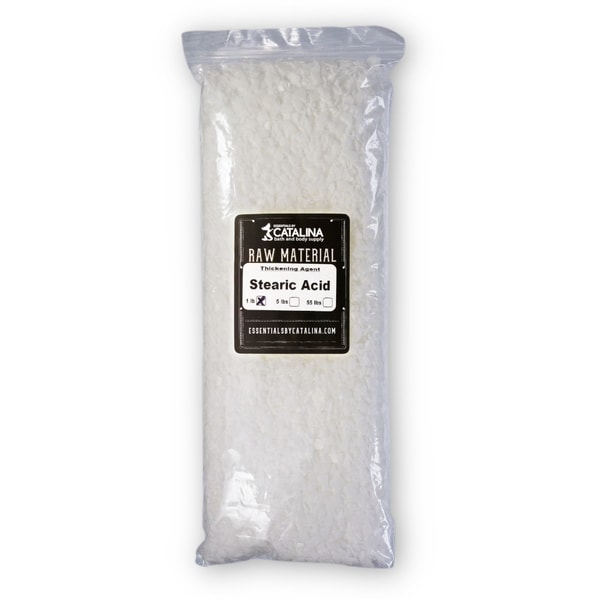
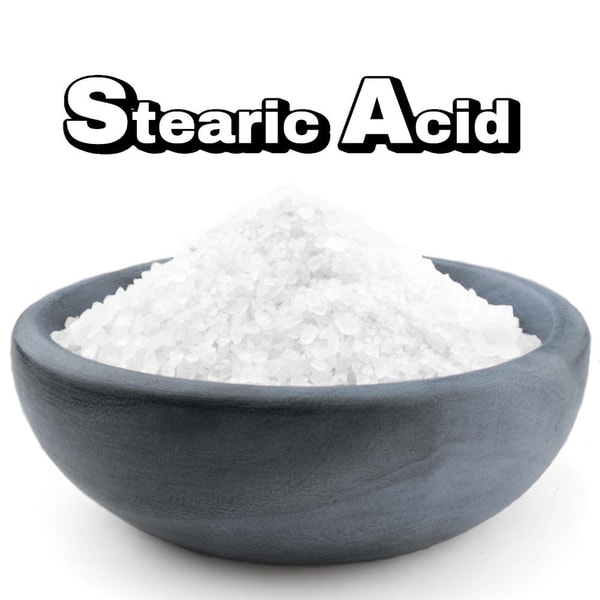
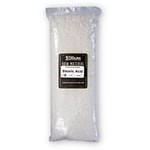
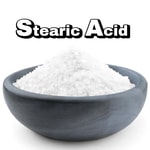
Stearic Acid
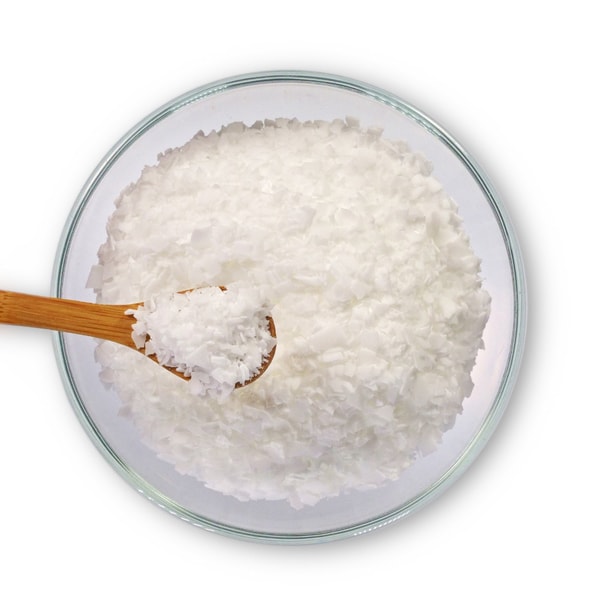
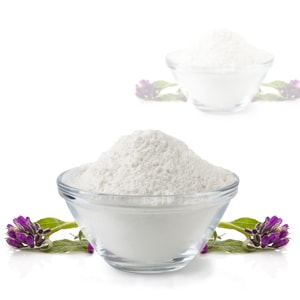
Stearic Acid can be used as a thickener for lotions or creams and is commonly used to harden soap.
Technical
This carries Acute Oral Toxicity Category 5, Skin Irritation Category 2, Eye Irritation Category 2, and Acute Inhalation Toxicity Category 4 classifications (H303, H315, H320, H332) — relevant to powder or dust handling. Wear protective gloves, clothing, eye protection, and face protection, and avoid breathing dust when handling in bulk.
Product Profile
Physical characteristics and solubility
Flakes
Opaque
White
Slight, characteristic
Negligible
0.838 – 0.839
55°C / 131°F
196°C / 385°F (COC)
Ingredients
Common and INCI names for your product label
Stearic Acid
Stearic Acid, Saturated Fatty Acid
Derived from vegetable (palm) source. Commercial-grade fatty acid blend: approximately 48% Stearic Acid, 48% Palmitic Acid, with trace Myristic Acid (~1%) and Lauric Acid (<1%) — no preservative system to declare.
Storage & Shelf Life
How to keep this ingredient stable batch to batch
Airtight container, room temperature
1 Year (indefinite with proper storage)
Store Cool and Well-Ventilated
Store in a cool, dry, well-ventilated area, away from incompatible materials. Do not store above 49°C (120°F).
Keep Away From Oxidizers and Strong Alkali
Isolate from oxidizers, strong alkali, and caustics, as well as extreme heat and open flame.
Use Clean Tools
When measuring or transferring product, use clean utensils to prevent cross-contamination. Avoid reaching in with bare hands.
Test Before Scaling
Run a small batch first to confirm thickening and hardening performance in your specific formulation before committing to a full production run.
Quality & Compliance
Regulatory status at a glance
Warning — Oral, Inhalation, Skin, and Eye Irritant
Health 0, Flammability 1, Physical Hazard 0
None known
All components listed
No carcinogens listed by IARC, NTP, NIOSH, OSHA, or ACGIH at ≥0.1%. No component is known as a sensitizer. Contains no chemicals known to the State of California to cause cancer or reproductive toxicity (Prop. 65). Oral LD50 4,640 mg/kg (rat) — low acute toxicity.
Disclaimer: The technical specifications above reflect standard production values and may vary slightly between batches. Always conduct your own small-batch testing and stability studies before scaling up to production.
Documents
There are no question found.









Rating & Review
There are no reviews yet.