
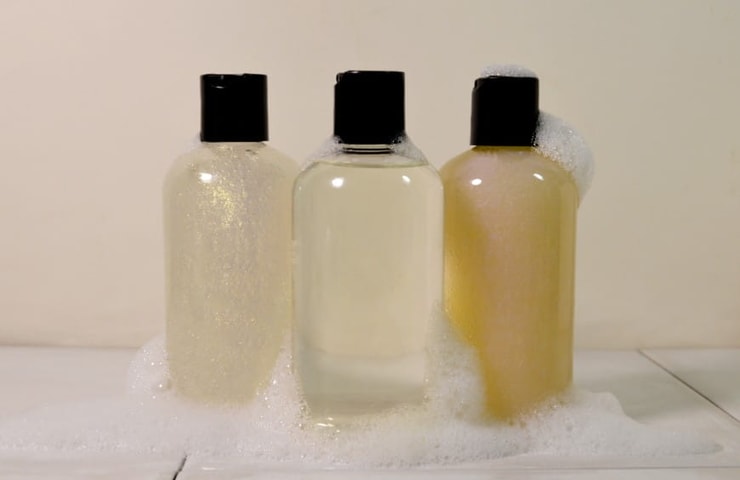
See it in action
PEG-7 Glyceryl Cocoate
PEG-7 Glyceryl Cocoate is a non-ionic surfactant derived from coconut used primarily as an emulsifier.

Technical
This carries an Aquatic Acute 3 classification (H402: harmful to aquatic life). Avoid release to the environment and don't let it enter drains, surface water, or groundwater.
Product Profile
Physical characteristics and solubility
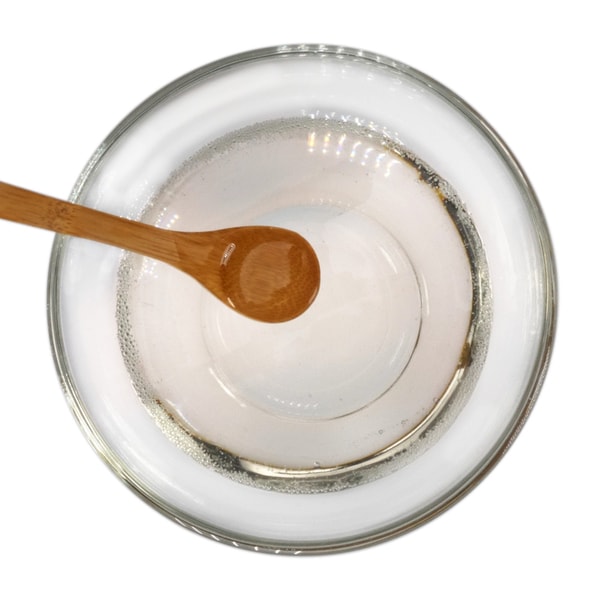
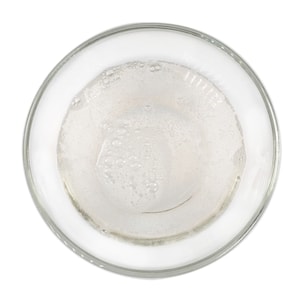
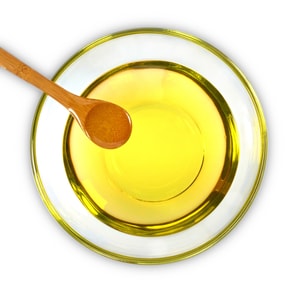
Liquid
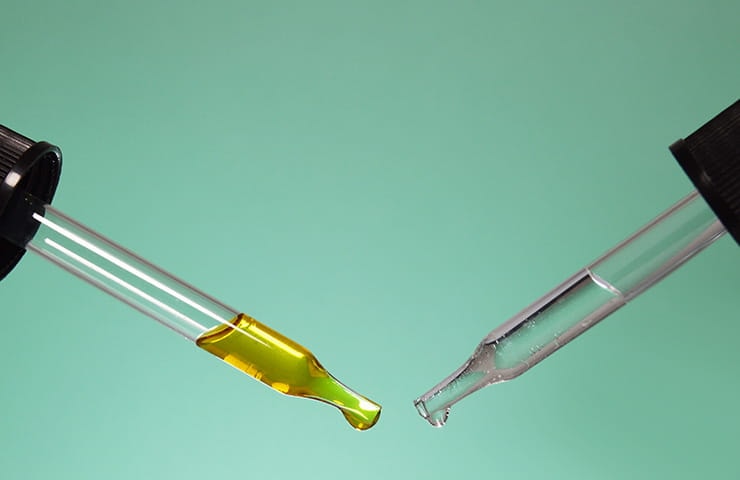
Clear
Pale Yellow to Yellow
Miscible in Water (insoluble in oils)
5.5 – 6.5 @ 20°C
1.04 – 1.06 g/cm³ @ 20°C
169 – 171 mPa·s @ 20°C
11
Ingredients
Common and INCI names for your product label
PEG-7 Glyceryl Cocoate
PEG-7 Glyceryl Monococoate
This is a single-ingredient emulsifier (75–100% Glycerides, coco mono- and di-, ethoxylated) — no preservative system to declare. The copy button copies the INCI declaration.
Storage & Shelf Life
How to keep this emulsifier stable batch to batch
Airtight container, 0 – 30°C (32 – 86°F)
1 Year
Stay Within 0–30°C
Keep between 0°C and 30°C (32–86°F). Falling below 0°C reversibly changes the product's characteristics — it should return to normal once warmed back up, but it's best avoided.
Keep It Sealed and Dry
Protect containers from physical damage, keep dry, and store in a cool place, away from ignition sources.
Use Clean Tools
When measuring or transferring product, use clean utensils to prevent cross-contamination. Avoid reaching in with bare hands.
Test Before Scaling
Run a small batch first to confirm emulsification and stability in your specific formulation before committing to a full production run.
Quality & Compliance
Regulatory status at a glance
Aquatic Acute 3 only
Non-irritant (rabbit testing)
No evidence of sensitizing potential
262°C (non-flammable in normal use)
Not classified as carcinogenic, mutagenic, or a reproductive toxicant based on chemical structure and available data. Acute oral LD50 > 5,000 mg/kg — virtually nontoxic after a single ingestion.
WARNING: This product contains a chemical known to the State of California to cause cancer and birth defects or other reproductive harm. As with other ethoxylated ingredients, this is tied to trace processing byproducts (1,4-dioxane, ethylene oxide) rather than an intentionally added ingredient.
Disclaimer: The technical specifications above reflect standard production values and may vary slightly between batches. Always conduct your own small-batch testing and stability studies before scaling up to production.
Documents
There are no question found.










Rating & Review
There are no reviews yet.