No matter your skin type, exfoliating is a key component in skincare routines. Exfoliating regularly helps to keep your skin looking fresh and healthy. There are different types of exfoliation, and which one is right for you depends on your skin type.
What is Exfoliation?
Exfoliation is the removal of dead skin cells and build up from your outer layer of skin.
There are two different types of exfoliation: chemical and physical. They both remove old cells, which helps prevent clogged pores and reveals the fresher, healthier looking skin underneath.
Types of Exfoliation
Physical Exfoliation
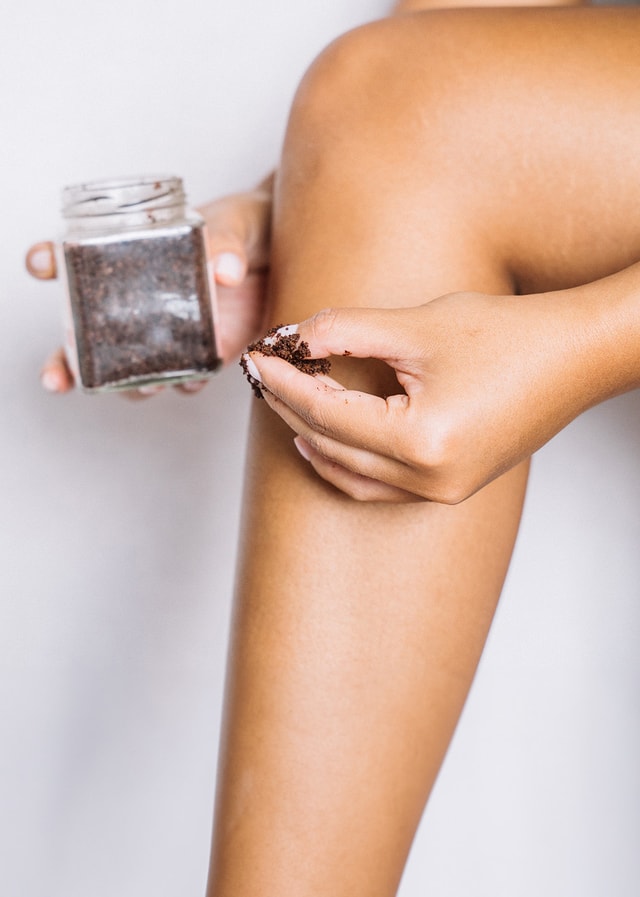
Physical or manual exfoliation is using a product containing small particles and manually rubbing the product into your skin to allow the particles to do their job and buff away dead skin.
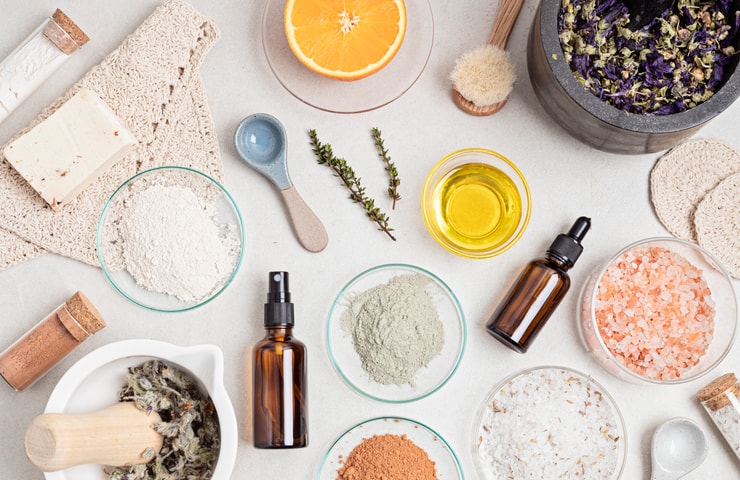
Particles in physical exfoliation products include things such as sugar granules, coffee, salt, and more. These particles are usually found in scrubs and polishes, which are great to use all year round. Keeping your skin moisturized while exfoliating is important as to not over-dry your skin. This is why most scrubs and polishes contain moisturizing butters and/or oils to keep your skin moisturized while exfoliating. All of our scrub and polish bases are made with all natural oils and butters, leaving your skin soft and refreshed. Find all of our physical exfoliating bases here.
Chemical Exfoliation
Chemical exfoliation can be broken down into categories including AHAs (alpha hydroxy acids), BHAs (beta hydroxy acids), and fruit enzymes.
Sometimes the word “acid” can seem scary. There is nothing scary about it in terms of skincare. Some common acids in skincare products include:
- Glycolic Acid (AHA) – Glycolic Acid is an exfoliant that naturally occurs in plants such as sugar cane and citrus fruits. Try our premade Glycolic Acid Face Wash Base and Glycolic Acid Face Cream Base.
- Lactic Acid (AHA) – Lactic Acid is often used for sensitive skin products. This acid is a gentle, yet effective exfoliator.
- Salicylic Acid (BHA) – Salicylic Acid is better suited for oily skin types. It is oil-soluble, meaning that it not only exfoliates the surface of the skin, it is able to go deeper and unclog pores, removing buildup and impurities.
Finding The Right Exfoliation Method For Your Skin Type
Sensitive and dry skin
The best physical exfoliants for sensitive and dry skin are those with very fine particles that aren’t too abrasive to the skin. These physical exfoliants are often paired with fruit enzymes in skincare formulations for a gentle, but effective way to remove dead skin cells. Chemical exfoliants are an amazing choice for sensitive skin types because there are no particles to worry about irritating your skin.
Normal and combination skin
Physical exfoliants made with sugar or salts make a great exfoliator for normal and combination skin types. These scrubs are usually made with moisturizing oils and butters to keep your moisturized as you exfoliate. You can also use chemical exfoliants with normal and combination skin. Chemical exfoliators containing glycolic acid are a great option for normal and combination skin types.
Oily and breakout-prone skin
Physical exfoliants made with sugar or salts make a great exfoliator for normal and combination skin types. These scrubs are usually made with moisturizing oils and butters to keep your moisturized as you exfoliate. You can also use chemical exfoliants with normal and combination skin. Chemical exfoliators containing glycolic acid are a great option for normal and combination skin types.
How Often Should You Exfoliate?
Exfoliating frequency really depends on each individual’s skin. You can start by following some general guidelines and personally adjusting from there.
Normal and oily skin types should be exfoliated 1-3 times a week with a gentle exfoliant. Typically, the stronger the exfoliant, the less frequent you should be exfoliating.
If you have sensitive or dry skin, we recommend exfoliating one a week with a gentle exfoliant.
Don't Over Exfoliate!
Exfoliating can be a fun and relaxing experience. It can also become exciting as you see your skin health improving. However, you don’t want to exfoliate too frequently. Over exfoliating can impair the skin’s barrier which can put you at risk for irritation, inflammation, redness, peeling, and sensitivity to your topical skincare products that previously didn’t cause an issue.
Benefits of Exfoliating
There are many benefits from incorporating exfoliation into your regular skincare routine that include:
- Improved skin tone and texture
- Reduced acne and breakouts
- Brighter, more glowing skin
- Enhanced absorption of your regular skincare products
- Minimize the look of fine lines and wrinkles
- Helps clear up congested skin by unclogging pores
Once you find the best exfoliation method for you and your skin type, you will experience amazing results that you want to share with everyone! We are happy to provide you with quality bases and ingredients so you can create beautiful exfoliants that work for a variety of skin types.
We love to see your creations, so remember to tag us on social media!