Learning Library

Costing Out Finished Product

costing out finished product

Knowing how to cost out your finished product is an essential part of running a profitable business. Essentials by Catalina is not only here to provide you with the bases that make your dream skincare brand come true, we’re here to give you inspiration and guidance when using our bases. Here is a pricing calculator we designed to help you cost out the finished product.

Even if you have already established your prices, pricing is something that should be revisited now and then to make sure your business continues to thrive profitably. With each product you sell, you want to be sure that all of your costs are fully accounted for and that your time is compensated. But in addition to that, you should also consider your market demographics when costing out your finished product.

With all of that in mind, here is calculator we developed to help you with these tough pricing decisions.

Pricing Calculator

Results

Cost Per Unit: $0.00

Retail Price: $0.00

Profit: $0.00

Batch Profit: $0.00

Cost Breakdown For Materials

Cost of materials, also known as the Cost of Goods Sold- is the baseline cost you must cover to make a profit.

aloe_gel_base_layflat2

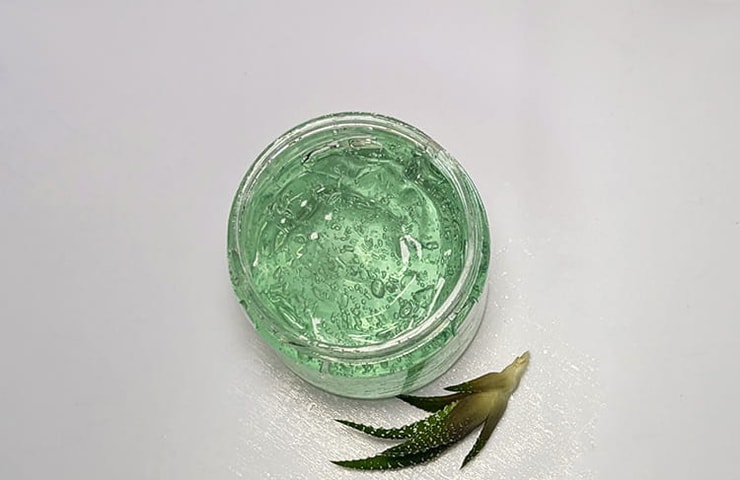
Bases

When calculating your cost, it is helpful to get all of your ingredient costs in the same denomination. Most of your additives, fragrances, extracts, etc. will be used in ounces in your product, so calculating everything as Price per Ounce is helpful. We sell our bases by weight (price per ounce), making it easy to factor in the cost of additional ingredients like fragrance or additives, which, most likely, also priced by weight.
A crisp, top-down view of vibrant green eucalyptus sprigs and clusters of soft, emerald-green forest moss arranged on a clean white background, representing the fresh and earthy scent profile of the fragrance oil.

Fragrance or Essential Oils

Essential Oils tend to be more expensive, often being twice the cost of fragrance oil, but they are often sought out by some customers, making them a worthwhile investment for many.

Skincare and beauty branding

Labels

Getting labels printed or printing your own can have a wide range of costs. Printing companies usually have a minimum order quantity, but have a more durable labels for you to choose from. You can print your own, but you may have to get a special printer.

Markup

Now that you have used the calculator and know the complete cost of your final product, you’ll need to set your prices. You don’t want to just break even when it comes to running a business. You want your price to cover your cost of goods, time, and while making a reasonable profit. Your retail markup should be at least 50%, while wholesale is typically around 20%.

  • Knowing your market: Knowing the demographics of your market is crucial to accurate pricing. Do you sell your product at a tourist destination? Or do you sell your product as a high-end luxury product? Do your market research to see your pricing threshold really is.
  • Retail: Doing retail is the route many of you will take, the profit margins tend to be higher because you are selling directly to the consumer, but also demands more of a commitment from you.
  • Consignment: When doing consignment, you give your product to a shop owner to be sold directly to the consumer and they take a percentage of the sale for themselves, often up to fifty percent of the total sale. The shop owner is usually responsible if the product is damaged or stolen. It seems like a bit much, but it is the price you pay for having your product taken care of.
  • Wholesale: When you do wholesale, you do business to business in bulk. The profit margins are lower than retail but your higher volume of sales can make up the difference.

Other Things to Consider Costing Out Finished Product

  • Special filling equipment or using a packer: Will you be using a 3rd party to do your filling? When you have a big order or have the opportunity to be in a big box store it’s likely you’ll have to find a packing facility.
  • Vendor fees: Both online and physical markets charge either a percentage or a one-time fee. Work that into your pricing, especially if the fee is percentage-based.
  • Shipping to customer: Shipping is a huge cost factor when it comes to online retail. There are shipping options such as USPS th carry flat-rate boxes that work well for small companies.
  • Rent/ warehousing: If you pay rent for your shop or you have to warehouse your product, working that into your production cost is essential.
  • Labor: You have to compensate yourself for your time. And if you have employees, you must account for their time as well.

Leave a Comment

Your email address will not be published. Required fields are marked *